


Why Your eSIM Price Might Change Overnight (And Why That's Not a Scam)
July 15, 2026 · Supreme Admin
Noticed a plan cost a bit more or less than last time you checked? Here's the honest, unglamorous reason eSIM and number pricing shifts — and why that's normal.
Somebody will always screenshot a price, check again a week later, see a different number, and assume they got played. Understandable reaction. Also, usually, not what's actually happening. Let's talk through it honestly instead of just saying "trust us."
Prices aren't hand-typed by a person sitting in an office
On most modern eSIM and virtual-number platforms — ours included — the retail price you see is calculated live, pulled from what the underlying provider is currently charging, then margin is added on top before it's shown to you. It's not a fixed sticker price someone updates in a spreadsheet once a quarter. It's closer to how flight prices or hotel rates move — the base cost from the supplier shifts, sometimes daily, sometimes more often, and the retail price reflects that.
Why the base cost moves at all
A few real reasons, not made up:
- Exchange rate shifts, since a lot of the underlying provider costs are quoted in USD and get converted.
- Provider-side promotions or cost changes on specific countries or specific data bundle sizes.
- Which specific upstream partner is actually fulfilling that plan right now. If Provider A is temporarily more expensive or having reliability issues on a certain route and the system fails over to Provider B for that country, the cost basis literally changed because a different company is now involved.
- Demand and availability quirks on certain corridors that even the provider doesn't fully explain to resellers like us.
Where AI comes into this, and why it's not as spooky as it sounds
Part of how a platform like NaaraSim keeps retail prices sensible — not accidentally too cheap (which loses money) and not accidentally too expensive (which loses customers) — involves an AI-assisted pricing step that proposes an optimal retail number based on current cost, competitor pricing patterns, and margin targets. It's not a black box making unchecked decisions, though — a human on the admin side reviews and approves pricing changes, and there's a hard floor built into the system that retail can never legally undercut cost plus a minimum profit, no matter what any pricing suggestion says. Think of it as a smart first draft that a person still signs off on, not an autonomous price-setting robot running wild.
The thing that never changes, regardless of any of this
You will never be charged less than what keeps the lights on, and you will never see your cost jump mid-purchase after you've already committed to buying something — the price you're shown at checkout is the price you pay for that transaction, full stop. What moves is the price the next person sees if they check tomorrow, because the underlying cost genuinely shifted between now and then.
So, practically, what should you do with this information?
If you're not in a rush and a plan feels a bit pricier than you remember, it's fine to wait a day or two and check again — prices do drift both directions, not just upward. If you need the plan right now because your flight's in six hours, don't overthink a few cents of difference; buy it, use it, move on with your trip. The system isn't out to get you. It's just reacting to a market that moves more than people assume.
Keep reading
-
 Money, Wallet & Pricing
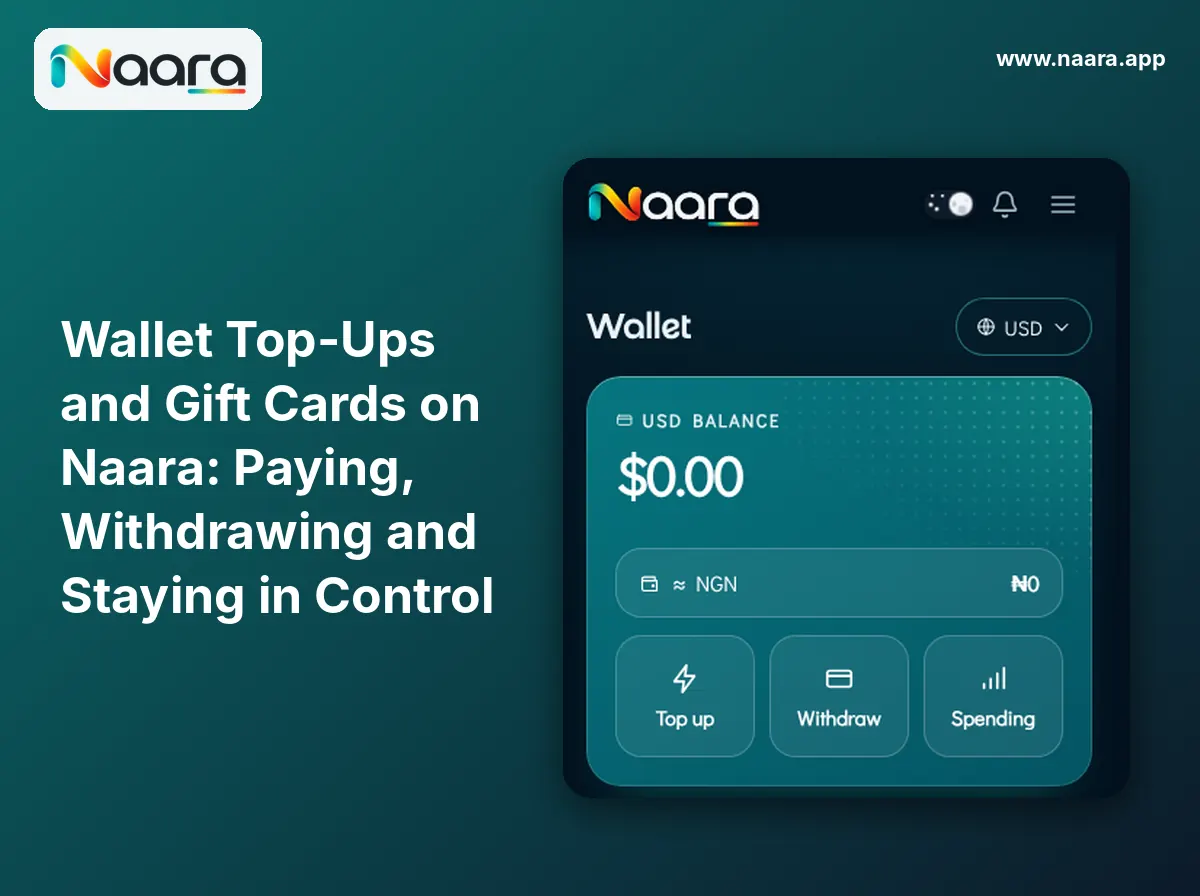
Wallet Top-Ups and Gift Cards on Naara: Paying, Withdrawing and Staying in Control
One wallet pays for everything. Here is how to top up, which payment methods you can expect, how to withdraw e...
2 min read
-
 Money, Wallet & Pricing
NGN or USD? How a Dual-Currency Wallet Actually Saves You Money
Paying for travel data and numbers in naira vs dollars isn't just a preference — it affects what you actually...
3 min read
-
 Naara Pro & Business
Broadcast Messages Done Right: Consent, STOP and What Channels Allow
A broadcast can build loyalty or burn your reputation. Here is how Respond handles consent, opt-outs and the r...
2 min read
-
 Naara Chat & Community
Naara Chat Tips: Gestures, Status Updates and Other Things You Might Have Missed
A quick tour of the small features that make Naara Chat faster: swipe to reply, status updates with mentions,...
2 min read
-
 NaaraCredits & Loyalty
Earn NaaraCredits by Following Brands: How the Rewards Hunt Works
Follow a brand's real social pages, earn credits you can spend on chat and calls, and know exactly how it is c...
2 min read
-
 Naara Chat & Community
Voice and Video Calls on Naara: What Makes a Call Connect (and Why TURN Matters)
Calls inside Naara are peer to peer when they can be and relayed when they must be. Here is what that means fo...
2 min read
Keep reading
-
Money, Wallet & Pricing
Wallet Top-Ups and Gift Cards on Naara: Paying, Withdrawing and Staying in Control
One wallet pays for everything. Here is how to top up, which payment methods you can expect, how to withdraw e...
2 min read
-
Money, Wallet & Pricing
NGN or USD? How a Dual-Currency Wallet Actually Saves You Money
Paying for travel data and numbers in naira vs dollars isn't just a preference — it affects what you actually...
3 min read
-
Naara Pro & Business
Broadcast Messages Done Right: Consent, STOP and What Channels Allow
A broadcast can build loyalty or burn your reputation. Here is how Respond handles consent, opt-outs and the r...
2 min read
-
Naara Chat & Community
Naara Chat Tips: Gestures, Status Updates and Other Things You Might Have Missed
A quick tour of the small features that make Naara Chat faster: swipe to reply, status updates with mentions,...
2 min read
-
NaaraCredits & Loyalty
Earn NaaraCredits by Following Brands: How the Rewards Hunt Works
Follow a brand's real social pages, earn credits you can spend on chat and calls, and know exactly how it is c...
2 min read
-
Naara Chat & Community
Voice and Video Calls on Naara: What Makes a Call Connect (and Why TURN Matters)
Calls inside Naara are peer to peer when they can be and relayed when they must be. Here is what that means fo...
2 min read